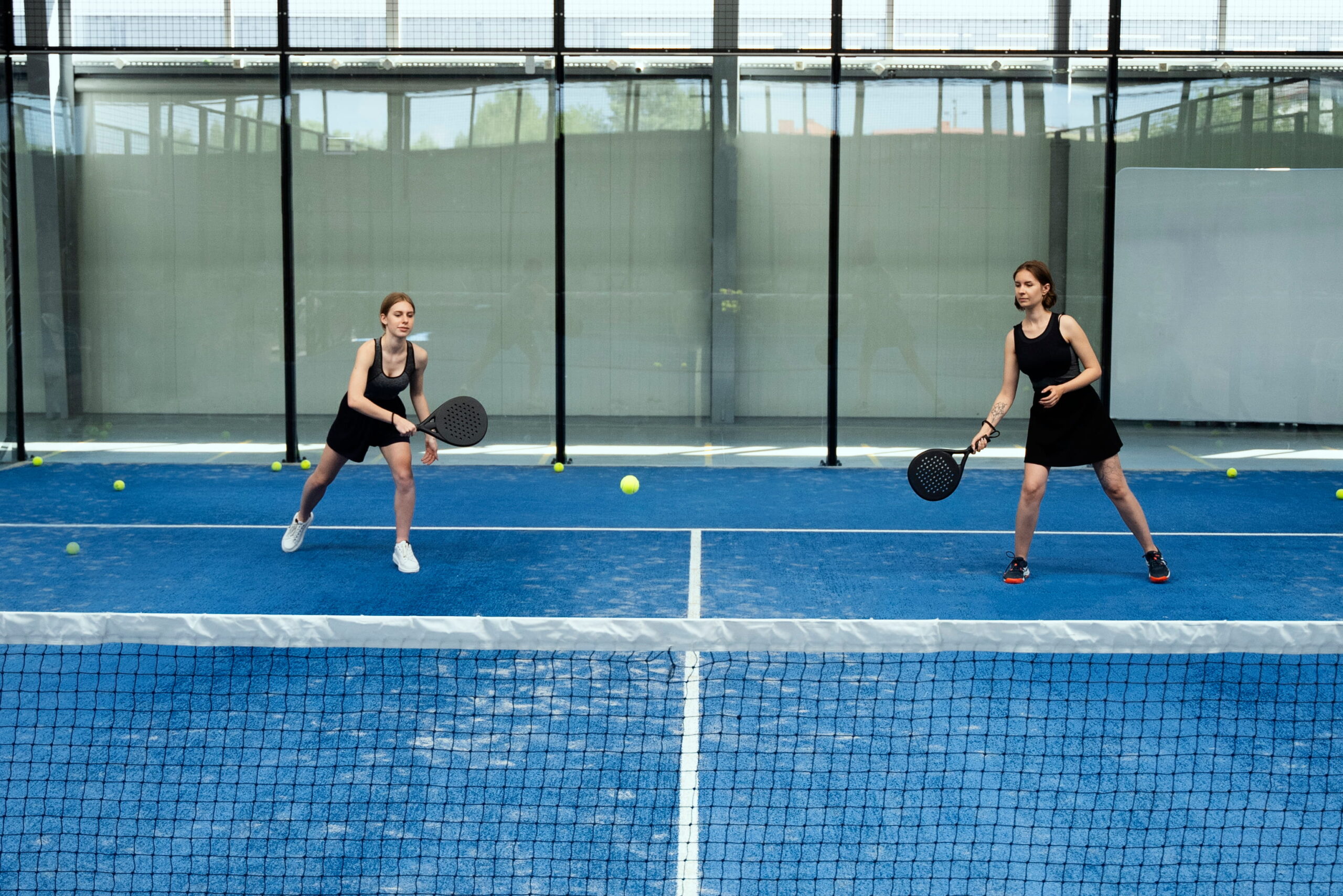
Cyprus has quickly become a destination that has jumped on the racket sport bandwagon in the Mediterranean, and the padel scene is booming. New clubs are opening, courts are filling up, and the competitive calendar is growing year on year. If the padel tournament Cyprus scene has caught your attention regardless of whether you’re a first-timer or a seasoned competitor looking to sharpen your skills, there are a few things worth knowing before you step on court. We’ve put together this guide to help you go in prepared, confident and ready to play your best game yet.
Is a Padel Tournament in Cyprus Right for Your Level?
One of the first questions players ask is whether they’re actually ready to compete. Surprisingly, most tournaments in Cyprus cater to a wide range of abilities, from complete beginners entering social-level events to experienced players chasing ranking points. Before registering, check the tournament category carefully as most events are divided by gender and skill tier, so you won’t be thrown in the deep end unprepared. If you’re not sure where you fall, ask at your local club or speak to a coach who knows how you play. Many players hold themselves back from competing because they don’t feel “ready,” but really, there’s no better way to find your level than by actually playing competitive matches. Even if you lose early, you’ll leave with a better idea of what to work on next.
How Do You Register for a Padel Tournament in Cyprus?
Registration for a padel tournament Cyprus event typically happens online through local federation websites or club platforms. Entry fees vary depending on the level and organiser, but most fall in a reasonable range for recreational players. You’ll usually need to register with a partner, since padel is a doubles sport, so it’s wise to line up your playing partner well in advance. Leaving it too late is one of the most common ways players miss out on events they’d been planning for weeks. Keep an eye on deadlines too. Popular tournaments fill quickly, especially those held at peak times during spring and autumn when the weather in Cyprus is at its best for outdoor activities. If you’re travelling from abroad, make sure to factor in accommodation and court availability for practice sessions before the event starts.
What Equipment Do You Need?
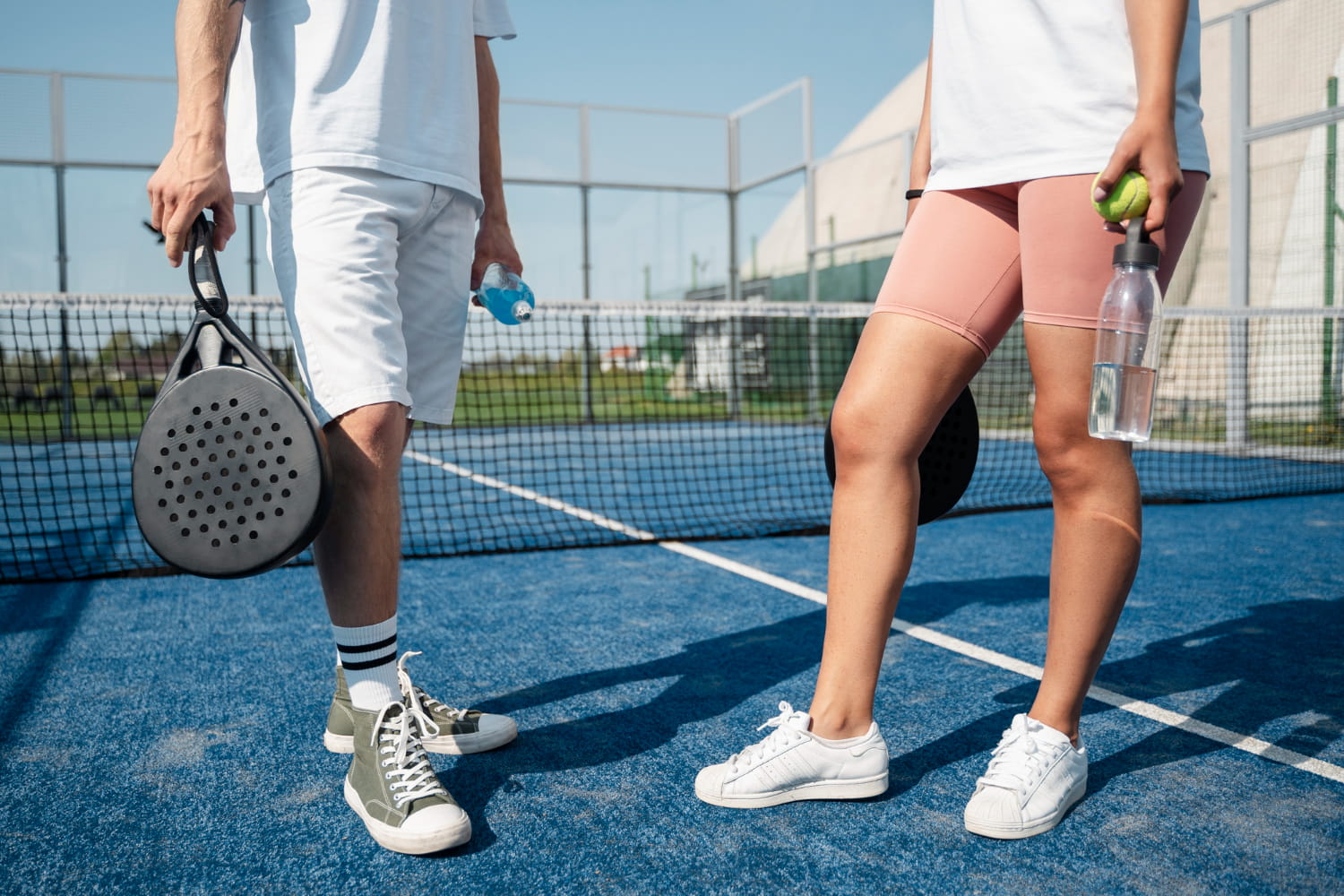
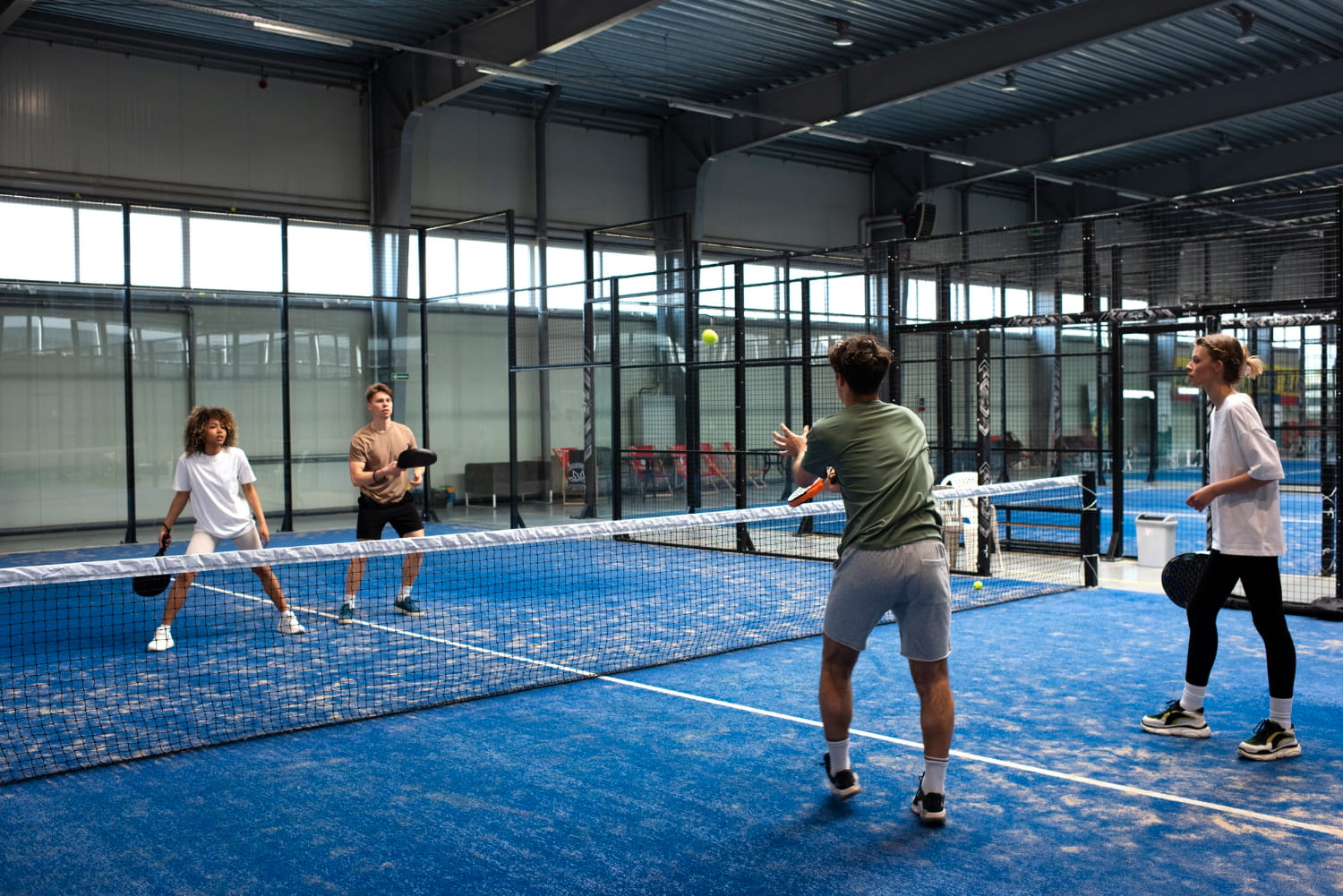
Your racket is obviously your most important piece of kit, but tournaments can be surprisingly unforgiving if you show up underprepared. Make sure your racket is in good condition. That means no cracks, no excessive wear on the face and bring a backup if you have one. Footwear is one of the most crucial pieces of gear you can have. A proper padel shoe with a herringbone sole gives you the grip and lateral support you need to handle the artificial grass courts that are standard across Cyprus. Running shoes simply don’t cut it when you’re making quick direction changes. On top of that, pack extra grips, a sweat towel, high-factor sunscreen (Cyprus’ sun is no joke, even in spring), a refillable water bottle and a spare set of clothes.
Which Rules Should You Brush Up on Before Competing?
If you’ve been playing casually, there may be a handful of rules you haven’t been enforcing strictly in your regular sessions. Tournament play is a different environment entirely. Whether you have a referee or you’re playing self-referred, disputes are far less casual than they are during a social match. Make sure you’re clear on how the serve works — underarm, below the waist, with a mandatory bounce — when the ball is considered out (including shots off the glass walls and metal fencing), what constitutes a let, and how the scoring and golden point rules operate at the level you’re entering. The rules in padel can be surprising to newer players who’ve been playing a looser, more relaxed version of the game. So a quick review the week before match day will go a long way toward avoiding awkward moments on court.
How Should You Prepare Physically for Match Day?
Tournaments aren’t just one match. Depending on the format, you could be playing two, three or even four matches across a single day or over a full weekend. Physical conditioning matters more than most recreational players anticipate or even think about. In the weeks leading up to your first padel tournament in Cyprus, focus on match-play practice rather than just technical drills. Get comfortable playing with full points under pressure because the psychological and physical fatigue of competitive play is much different from a regular training session. Work on your movement because padel is relentless on lateral agility and quick direction changes. Prioritize sleep the night before, eat a solid and sustaining breakfast on match day, and warm up properly with dynamic stretches, shadow footwork, and a little gentle play on the court before your match starts. Immediately going into your match cold is one of the fastest ways to get an early injury.
What Should You Expect on Tournament Day?
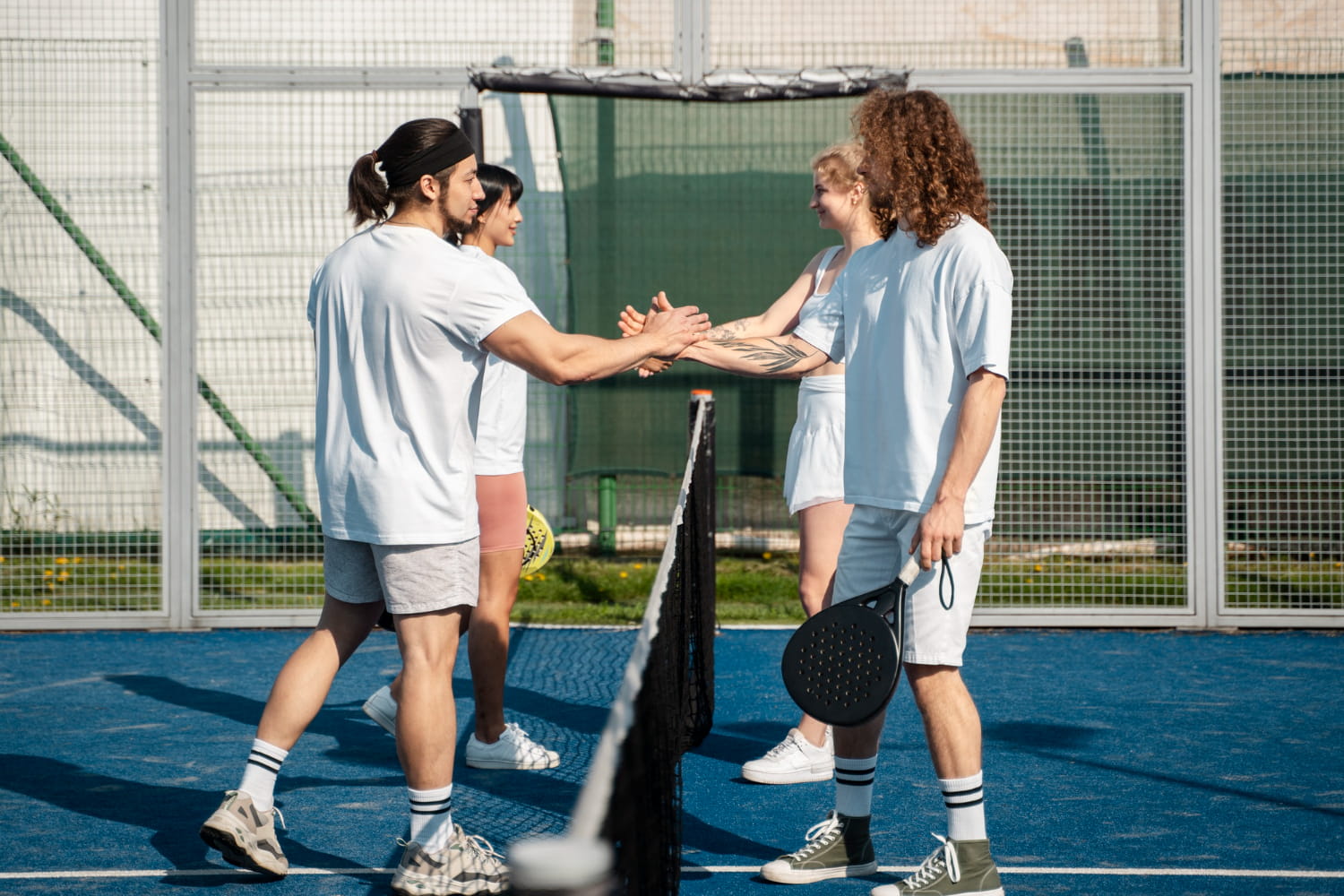
Arrive early. It may seem simple, but plenty of players underestimate travel time, parking logistics or finding the right court within a busy venue. Check the draw the night before so you know your schedule and have a sense of who you’re up against. Most tournaments run on a strict timetable, and being late can mean a walkover loss. Warm up on a practice court if one is available, introduce yourself to your opponents and focus your mind beforehand. Make sure to stay hydrated consistently throughout the day, not just when you feel thirsty. In the heat, especially in a padel tournament Cyprus environment, dehydration can creep up on you faster than you’d expect.
How Can You Use the Experience to Improve?
Win or lose, every tournament is a lesson if you approach it with the right mindset. Notice how better players manage long rallies. If they are patient, aggressive, comfortable with the lob. Do they communicate constantly with their partner? Look to make mental notes, or jot things down after each match while the details are still fresh. View every competitive match as an investment in your long-term development.
There’s no better preparation for tournament day than quality time on the court, and at La Casa De Padel, we’ve built a space where players of every level can train, improve and feel the pressure of a real competitive environment. Book a court with us, bring your partner and put in the practice. We’d love to see you on our courts so reserve your session today and go into your next padel tournament in Cyprus ready.