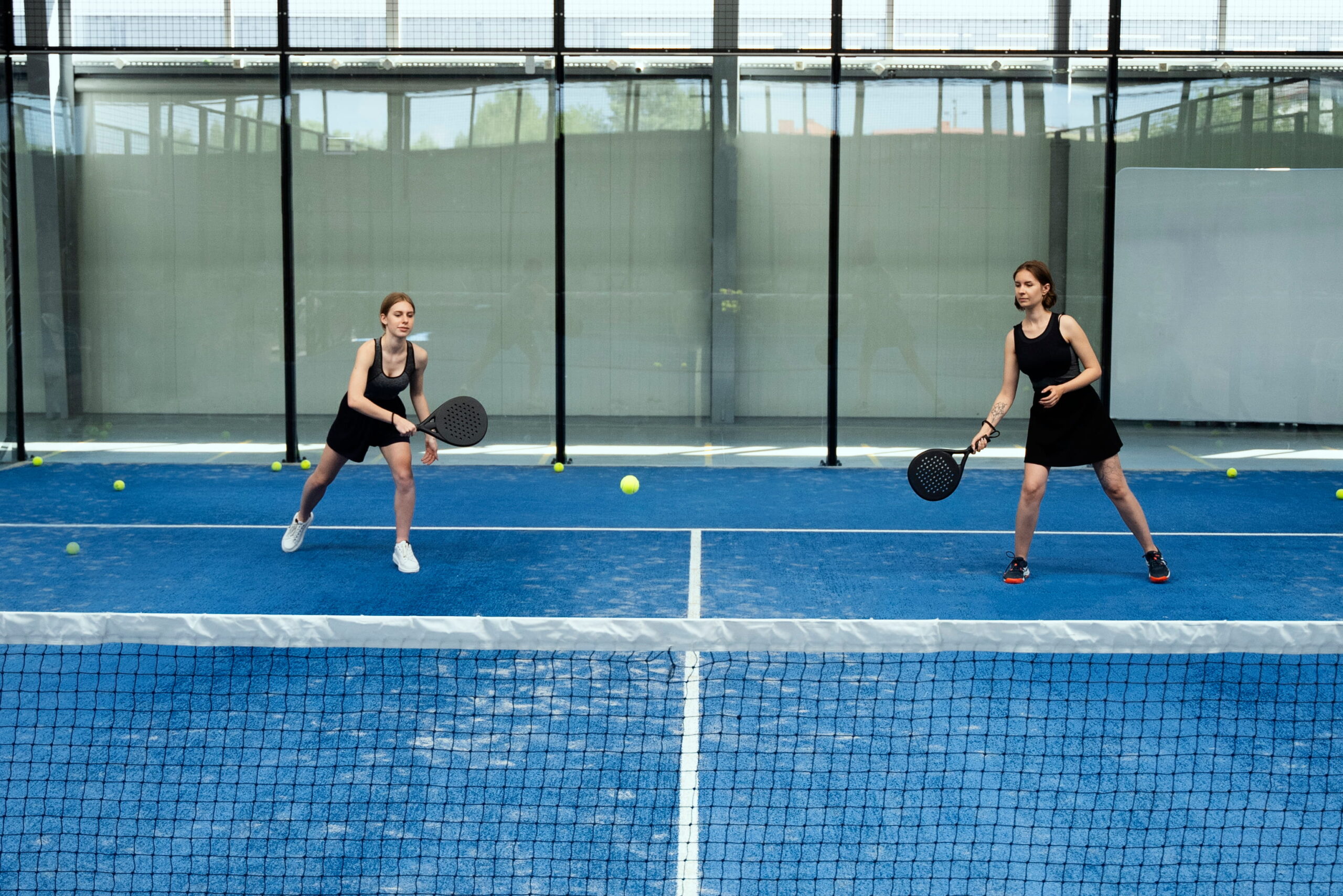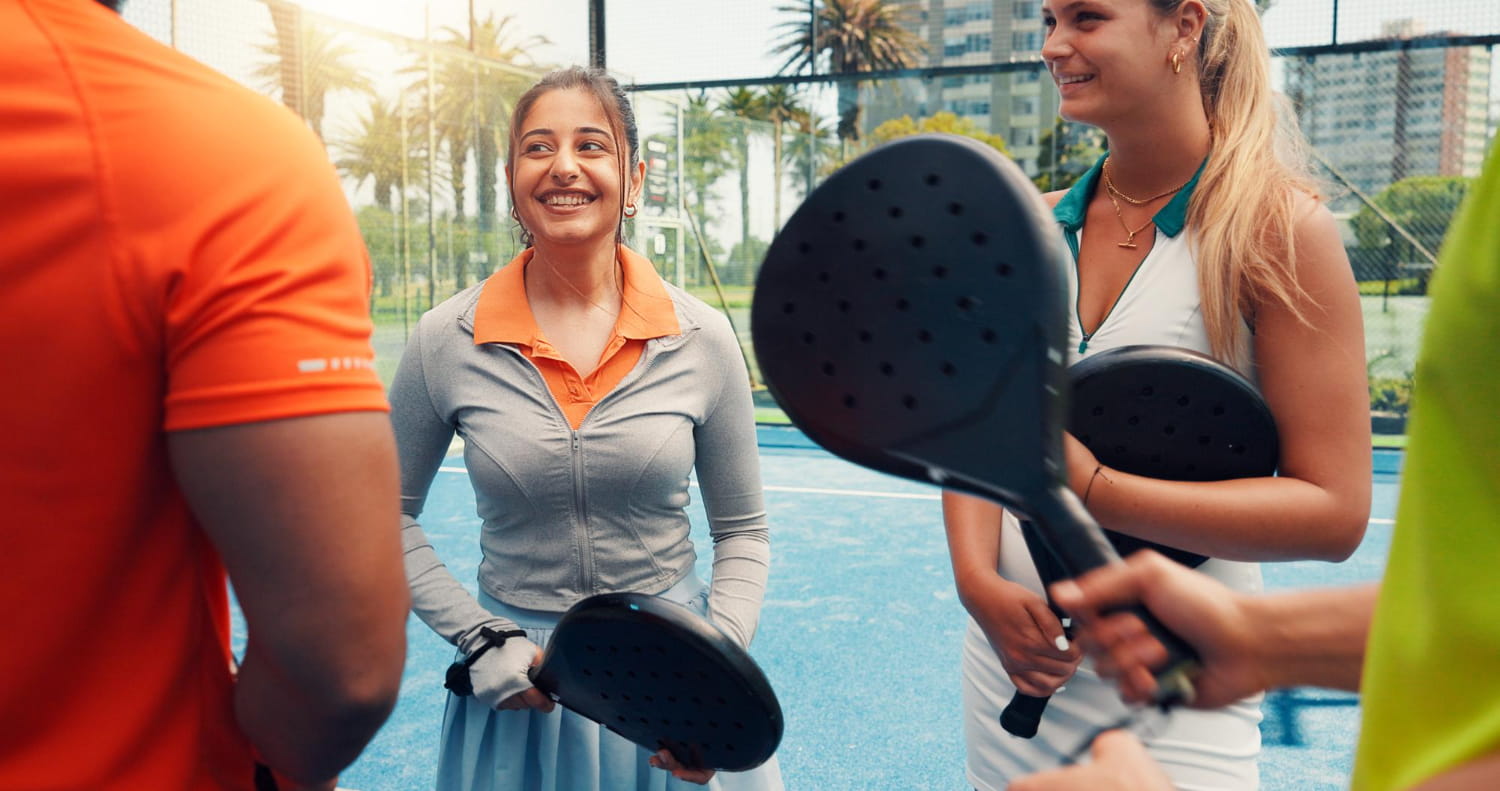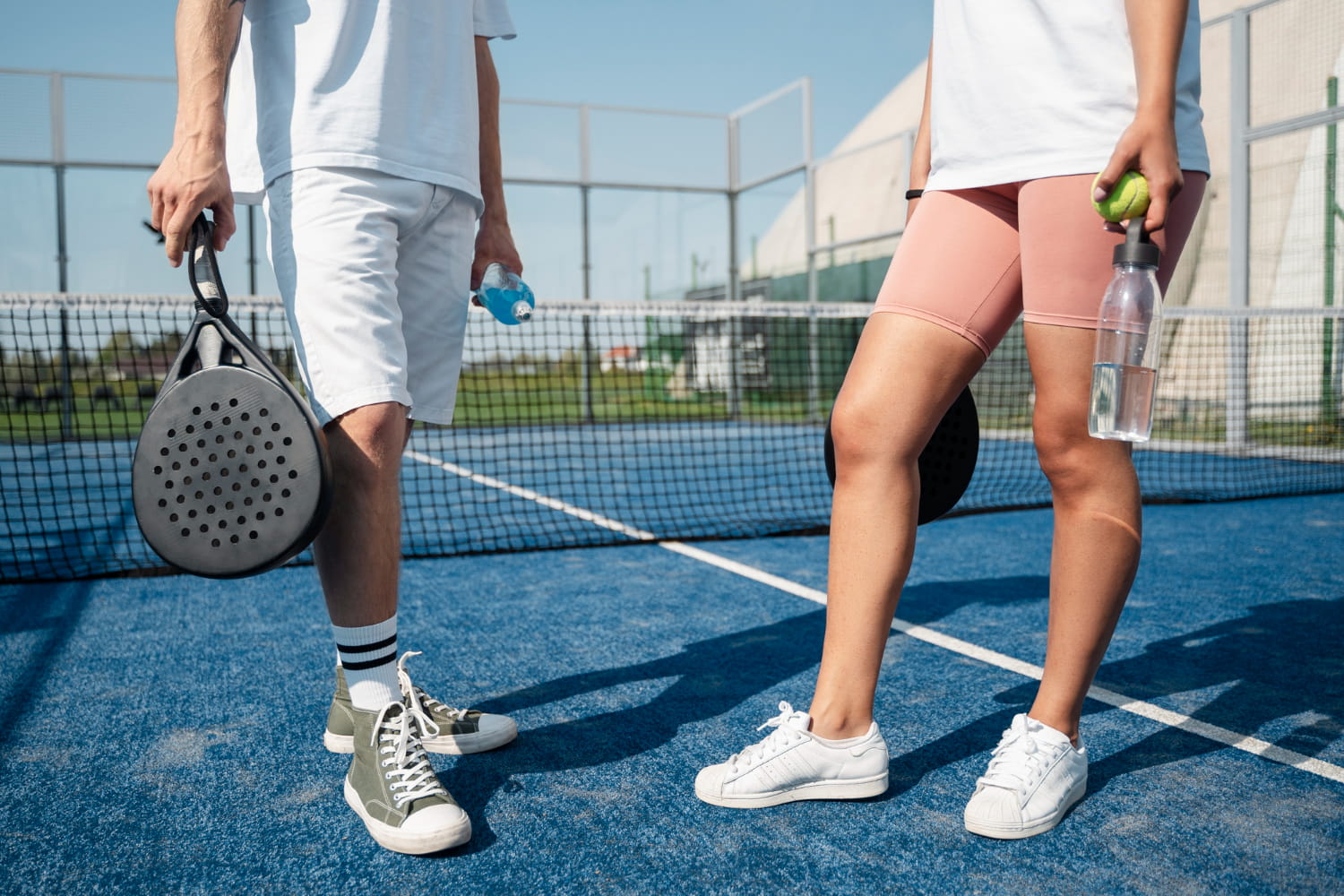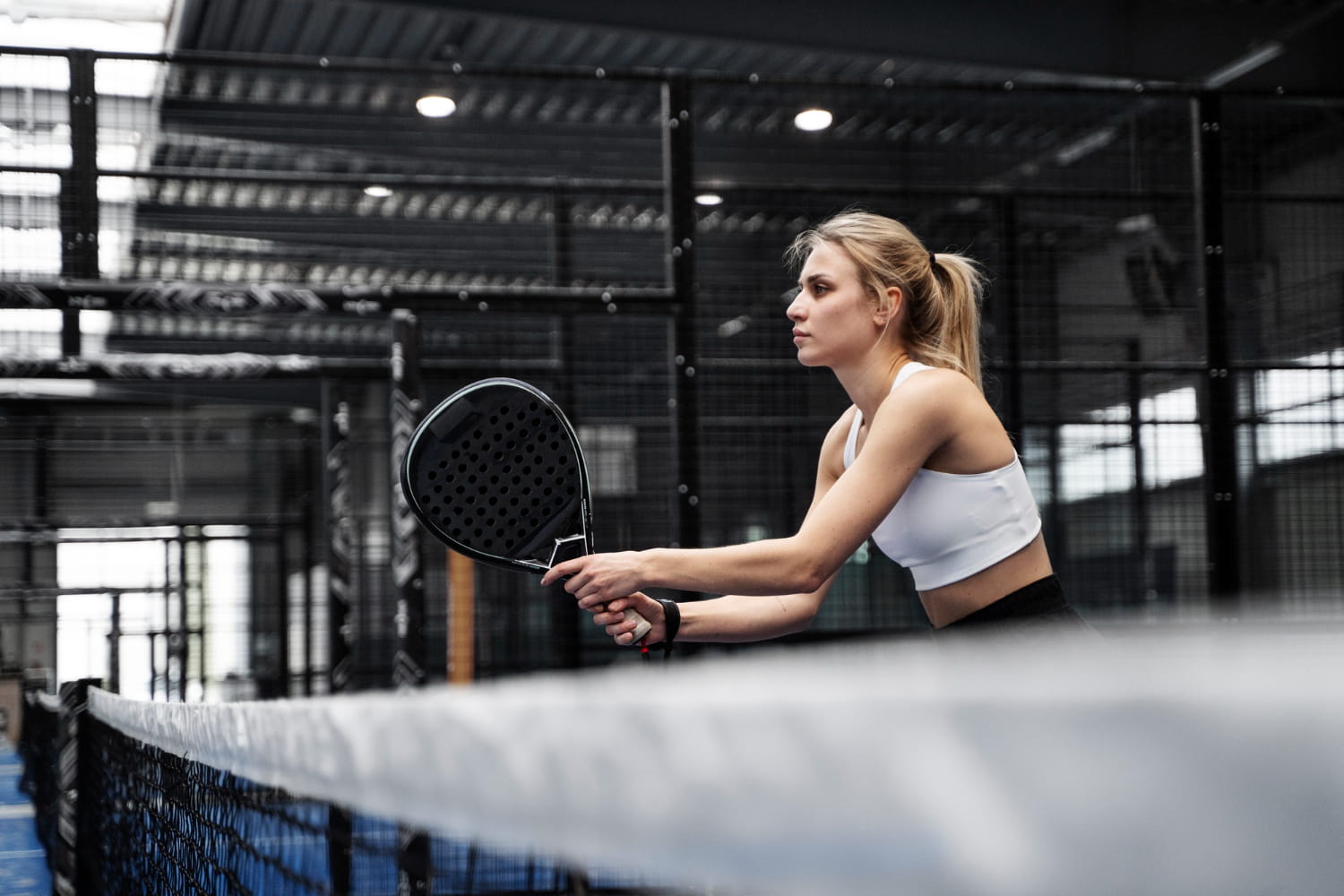
Four years ago you could count the padel courts in Cyprus on one hand. Today, the island has more than 220 of them spread across roughly 70 clubs, which gives Cyprus one of the highest counts of courts per person anywhere in Europe. For an island of 1.2 million people, that statistic explains why padel has gone from a curiosity to a standing Tuesday night fixture for so many of us.
If you have played a handful of games on borrowed gear and you are starting to think about buying your own, welcome to the fun part. Hunting for a padel shop Cyprus players actually rate can feel overwhelming, because every racket looks more or less the same in a photo and the prices run from about 50 euros to well over 400. This guide walks you through what actually matters for a new player, what you can safely ignore for now, and the order in which to spend your money.
Why Is Padel Growing So Fast in Cyprus?
The short answer is that the game is easy to start and hard to stop. The court is enclosed, the walls keep the ball in play, and the rackets are short and solid, so most beginners manage real rallies within their first hour. Compare that to tennis, where a first session is often 60 minutes of chasing balls into the fence, and you can see why people gravitate towards padel much more.
Cyprus offers outdoor play for most of the year, and the growing number of indoor and covered courts means July heat and the occasional January downpour no longer wipe out a week of games. Nicosia, Limassol and Larnaca each have their own scene now, with Limassol running the largest cluster of clubs.
The four-player format gives padel a naturally social rhythm that other racket sports can lack. Add in a regular lineup of leagues, clinics and social nights, and it becomes the kind of sport where arriving alone is never awkward and leaving without new connections is almost impossible. Once you are playing twice a week, borrowed rackets stop being charming, and that is usually the moment the shopping starts.
What Should You Look For in Your First Padel Racket?
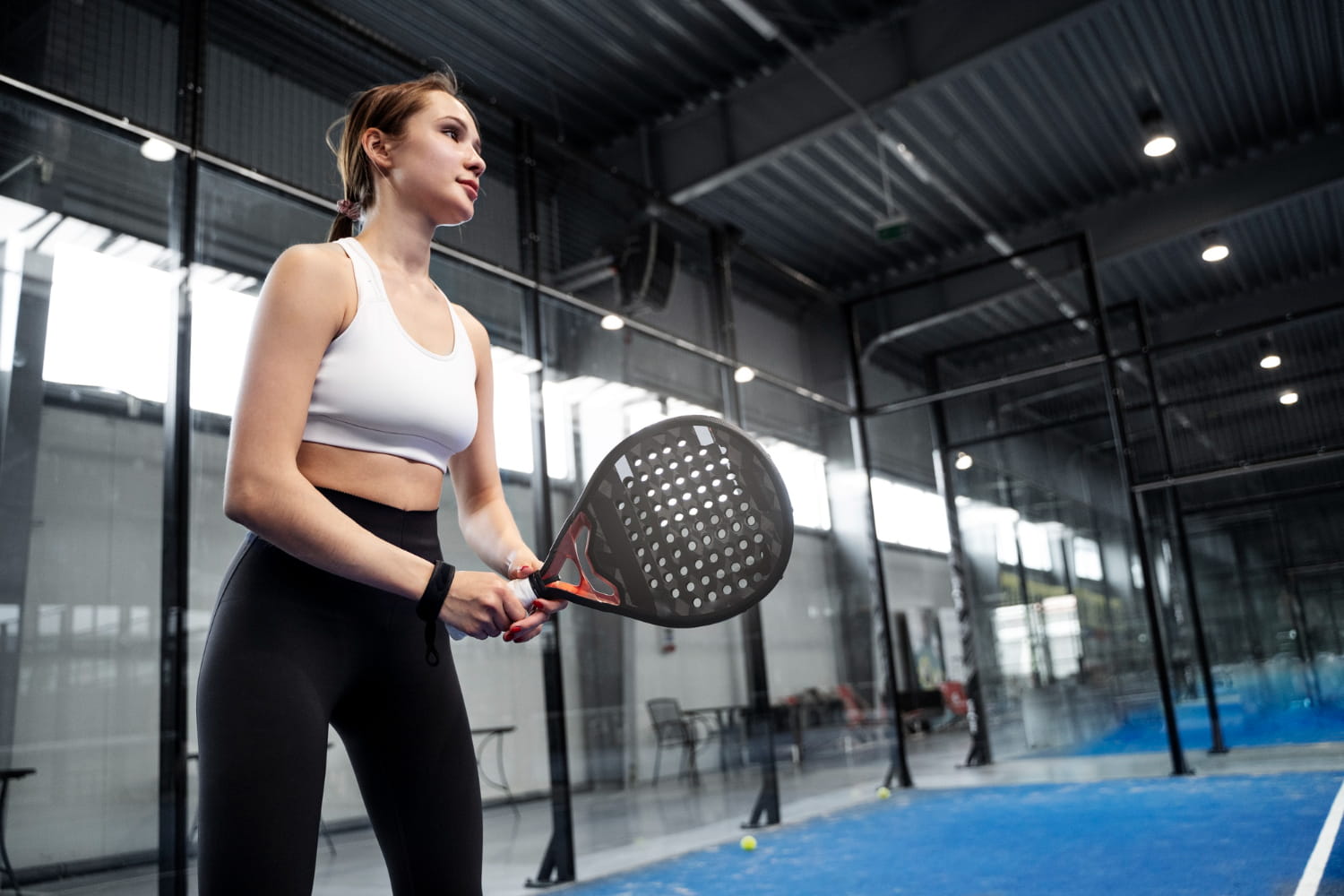
Racket shape is the first decision, and it’s simpler to navigate than the marketing suggests. Round rackets have the sweet spot in the middle of the face, which makes them forgiving and easy to control. Teardrop rackets shift the sweet spot slightly higher for a bit more power. Diamond rackets have the sweet spot even higher, which suits advanced players who hit hard and hit clean.
Weight is next to consider. Most padel rackets sit between 350 and 385 grams. Beginners are generally happiest around 355 to 365 grams, light enough to react quickly at the net without feeling flimsy on a defensive lob. Anything heavier will tire your shoulder before it improves your game.
Then there is the core. Soft EVA foam is more comfortable and more forgiving, while harder EVA gives more power to players who already have the technique to use it. Fiberglass faces are softer and cheaper, carbon faces are stiffer and last longer. For a first racket, soft foam with a fiberglass or mixed face is the sensible pick.
On price, aim for 80 to 150 euros. Below that, quality gets unreliable fast. Above it, you are paying for stiffness and precision that a new player cannot yet feel. Shop around. Any good padel shop Cyprus side will steer you toward this range rather than the premium feel.
Do You Really Need Padel Shoes?
Yes, and this is the item people skip first and regret fast. Padel involves constant lateral movement, short sprints and sudden stops on artificial turf. Running shoes are built to push you forward and offer almost no side support, which is exactly how ankles get rolled.
Look for a herringbone or omni sole, both of which grip sand-filled turf without sticking so hard that your knee takes the strain. You want lateral reinforcement through the midfoot and decent cushioning in the heel because the surface is less forgiving than it looks. Indoor courts tend to offer a faster surface, so a slightly grippier sole helps there. If your budget is tight, buy the shoes before the racket. A good pair of shoes will do more for your game before a racket will.
What Else Belongs in Your Padel Bag?
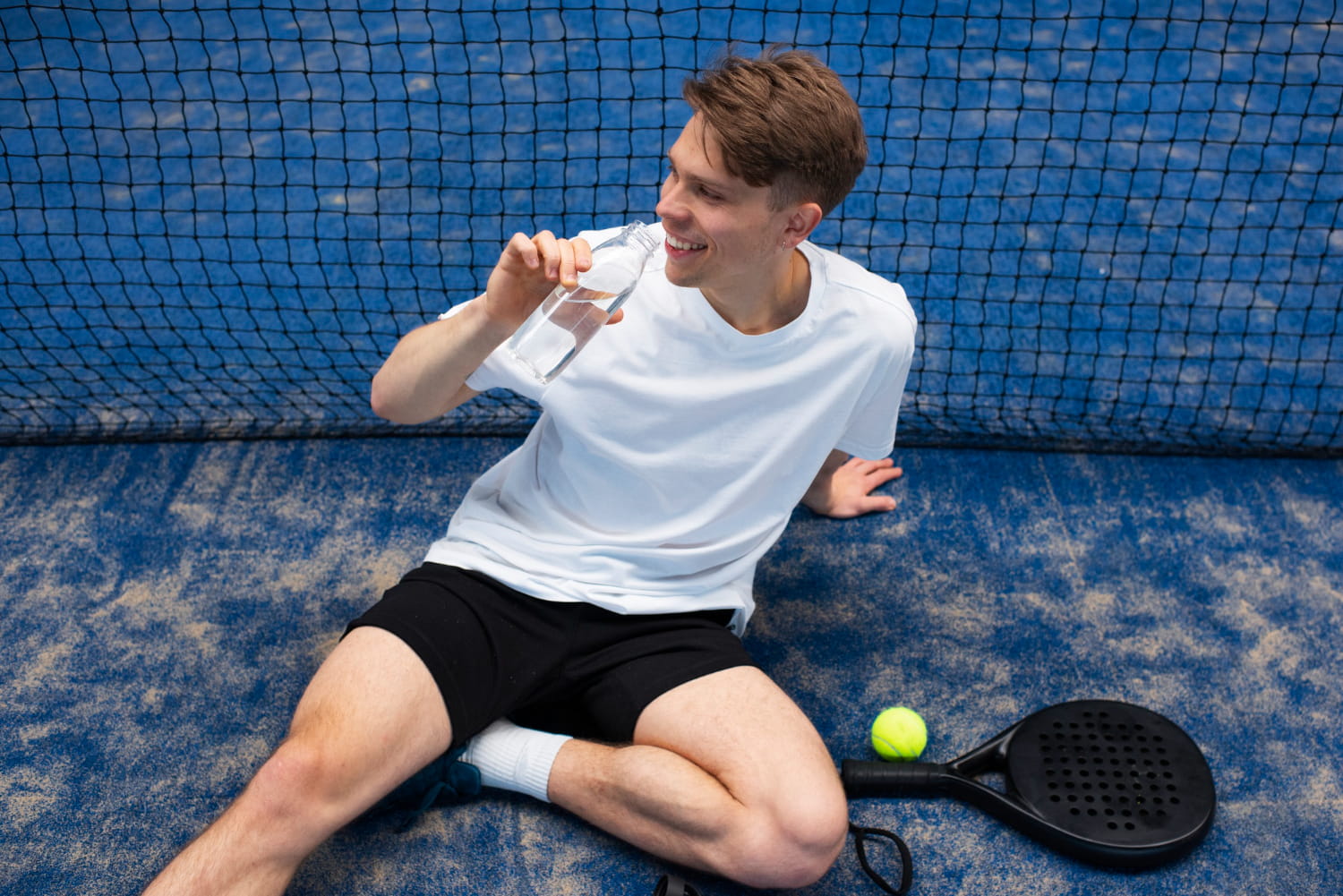
Overgrips are the cheapest upgrade in the sport. They cost a couple of euros, they soak up sweat, and they let you fine-tune the handle thickness to your hand. Buy a pack, not just one.
A wrist cord is not optional. Most clubs require one since a racket that leaves your hand at speed inside an enclosed court is a genuine hazard. Many rackets ship with one, so check before you buy a spare.
Protector tape along the top edge of the frame will save you real money over a season, because the frame takes a beating from the walls and the floor. Then add a tube of pressurized padel balls, a proper racket bag with a ventilated shoe compartment, and, for anyone playing through the Cyprus summer, include more water and electrolytes than you think you need. A well-stocked padel shop Cyprus players return to will carry all of this, and the staff will usually throw in the tape for free if you ask nicely.
Should You Rent or Borrow Before You Buy?
Absolutely, and it is the best piece of advice in this guide. Most clubs rent rackets by the session, which means you can try a round racket, then a teardrop, then something lighter, all before settling for something permanent. Ten sessions on rented gear will teach you more about what you like than any spec sheet.
Pay attention to how a racket feels on the shots you actually play. Does it feel heavy on volleys at the net? Does it dump the ball into the net on a defensive lob? Are your wrists sore afterward? Those answers will guide you to look at the weight, balance and core hardness, and they will make your eventual purchase far more confident.
It also helps to play with people better than you and simply ask what they use and why. The padel community in Cyprus is unusually generous with this kind of advice and are always ready to help someone out who’s new to the sport.
If you are in Nicosia and ready to put some of this into practice, come and play with us at La Casa De Padel. We have indoor courts, racket rentals so you can test before you commit, and beginner-friendly clinics with coaches who will happily tell you which racket suits your swing before you spend a euro on one. Book a court online, bring a friend, and find out for yourself why half the island has become obsessed.